 Scientists in the lab of UW–Madison biochemistry professor Snehal Chaudhari have provided an answer to a question that has long puzzled the medical community: why does methotrexate, a drug that effectively treats many inflammatory autoimmune conditions, fail to treat inflammatory bowel disease (IBD)? The researchers discovered a role that gut microbes play in this conundrum, and identified a promising new treatment strategy for IBD in mice. Their findings were published in Cell Host & Microbe.
Methotrexate works by targeting rapidly proliferating cells. Researchers in the Chaudhari Lab suggest that this mechanism of action may explain why the drug worsens gut symptoms. Common symptoms of IBD, including diarrhea and bloody stool, cause the intestinal lining to shed more rapidly than in a healthy gut. In this sped-up dance of cell loss and renewal, methotrexate targets the rapidly dividing cells that rebuild the intestinal lining.
Their explanation adds to the prevailing understanding that methotrexate is metabolized by the bacteria in the gut, reducing its effectiveness. While interactions between the gut microbiome and methotrexate may explain some phenomena — including variations in patient response to drug doses — they do not provide the full picture when it comes to worsening IBD symptoms.
“It has long been understood that methotrexate gets metabolized by the bacteria in our guts, and we believed that is why it doesn’t work in treating gut inflammation,” explains Chaudhari. “But what we found is that the drug itself is actually toxic to intestinal cells…it just wreaks havoc on an already impaired intestine.”
The researchers, led by graduate student Juyeong Cho, also found that a byproduct of gut microbes breaking down methotrexate could actually help improve gut health. The byproduct, called DAMPA, activates cellular pathways that help to clear out damaged cellular organelles in the intestine, rejuvenating and repairing the gut lining. Unfortunately, gut microbiomes impacted by IBD carry less of the bacterial enzyme that produces DAMPA. The Chaudhari Lab suggests a possible workaround: give DAMPA directly, bypassing the missing microbes altogether.
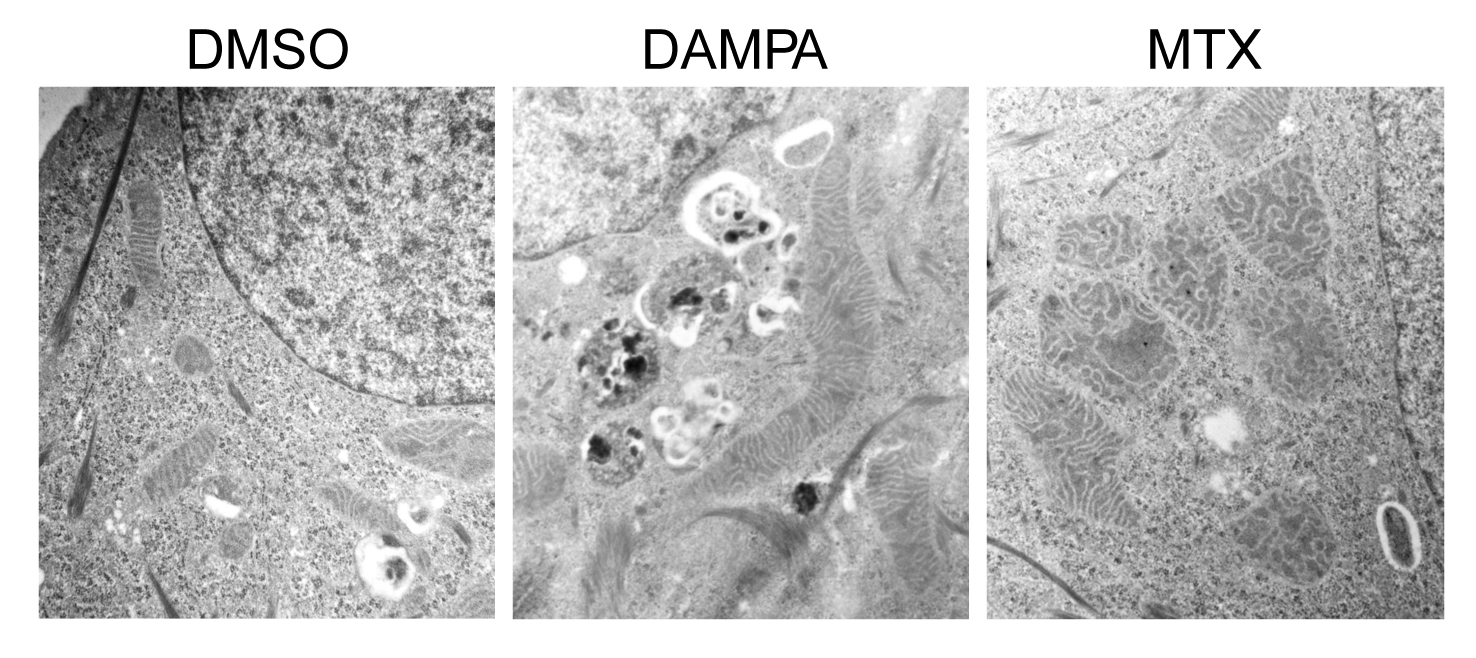
“Instead of giving mice with IBD methotrexate, if we give them the byproduct metabolite DAMPA that was previously considered to be waste, we see dramatically reduced inflammation,” says Chaudhari. “We used blinded studies to score inflammation in all of the intestines and, really, the intestines treated with DAMPA look very obviously different. There was no question what we were looking at.”
Chaudhari sees potential for exploring whether the same regenerative cellular pathways that DAMPA activates in the gut are at work in other tissues, opening a possible direction for development of new treatments for diseases in other organs, such as the brain and heart.
“A common factor in many neurodegenerative disorders is impairment to the systems that clear out damage,” says Chaudhari. “If DAMPA can improve the health of epithelial cells in the intestine, can it do that to other types of cells?”
Written by Renata Solan.
This research was supported by the National Institutes of Health, the Ruth Dickie Endowment from the Madison Chapter of Graduate Women in Science, the Wisconsin Alumni Research Foundation, and the UW–Madison Department of Biochemistry.